Last updated: 07 April 2026
Summary
A practical guide to getting a pavement licence for outdoor seating - including fees, the application process, conditions, and common mistakes to avoid.
Whether you are applying for the first time or renewing an existing licence, this guide gives you the practical, real-world advice you need to get it right first time and avoid unnecessary delays or enforcement action from your council.
Unsure about how to apply for a pavement licence?
Barnab can help! Speak to one of our property experts who will help you determine how your application is affected.
Book a callWhat Is a Pavement Licence?
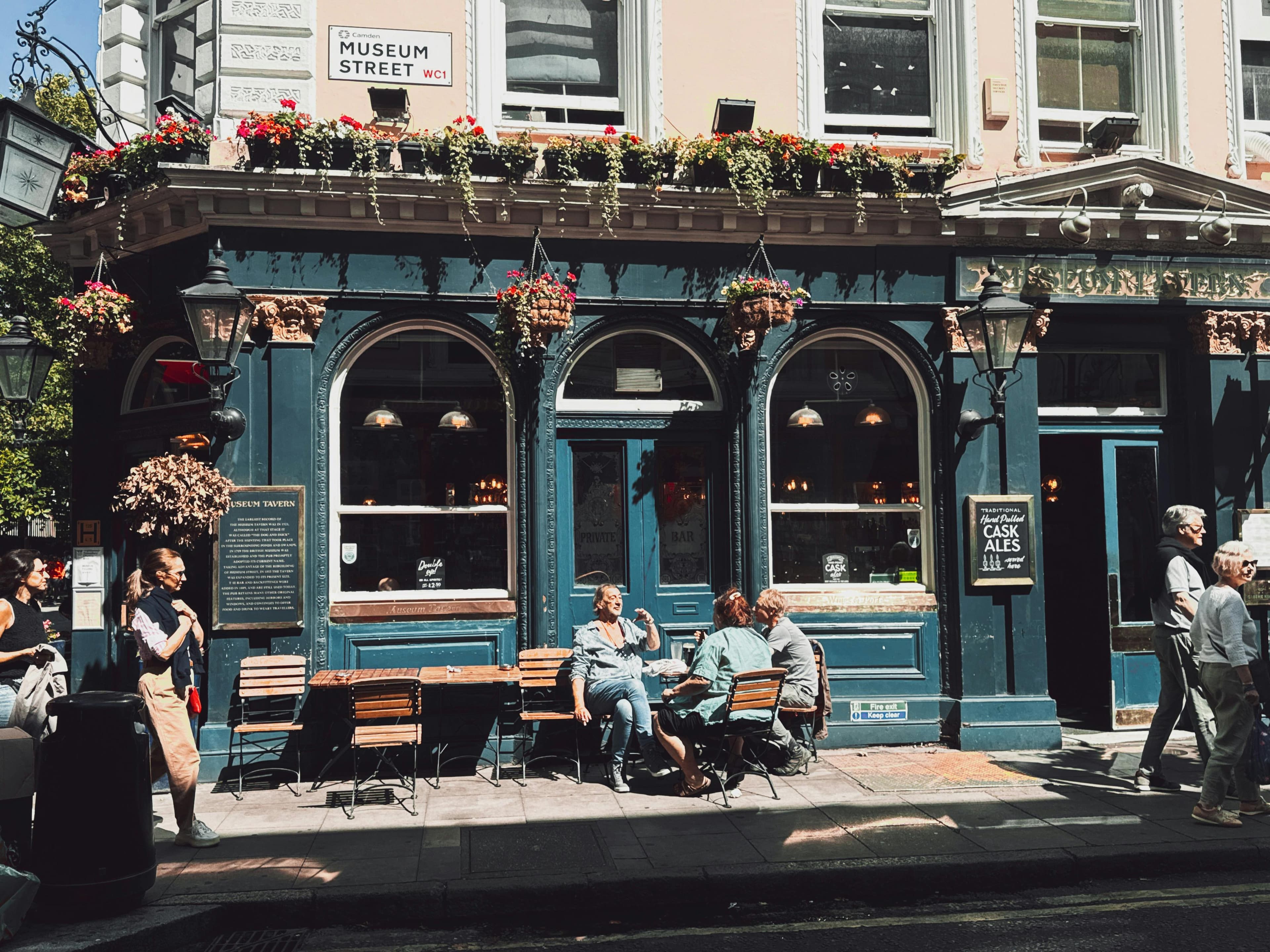
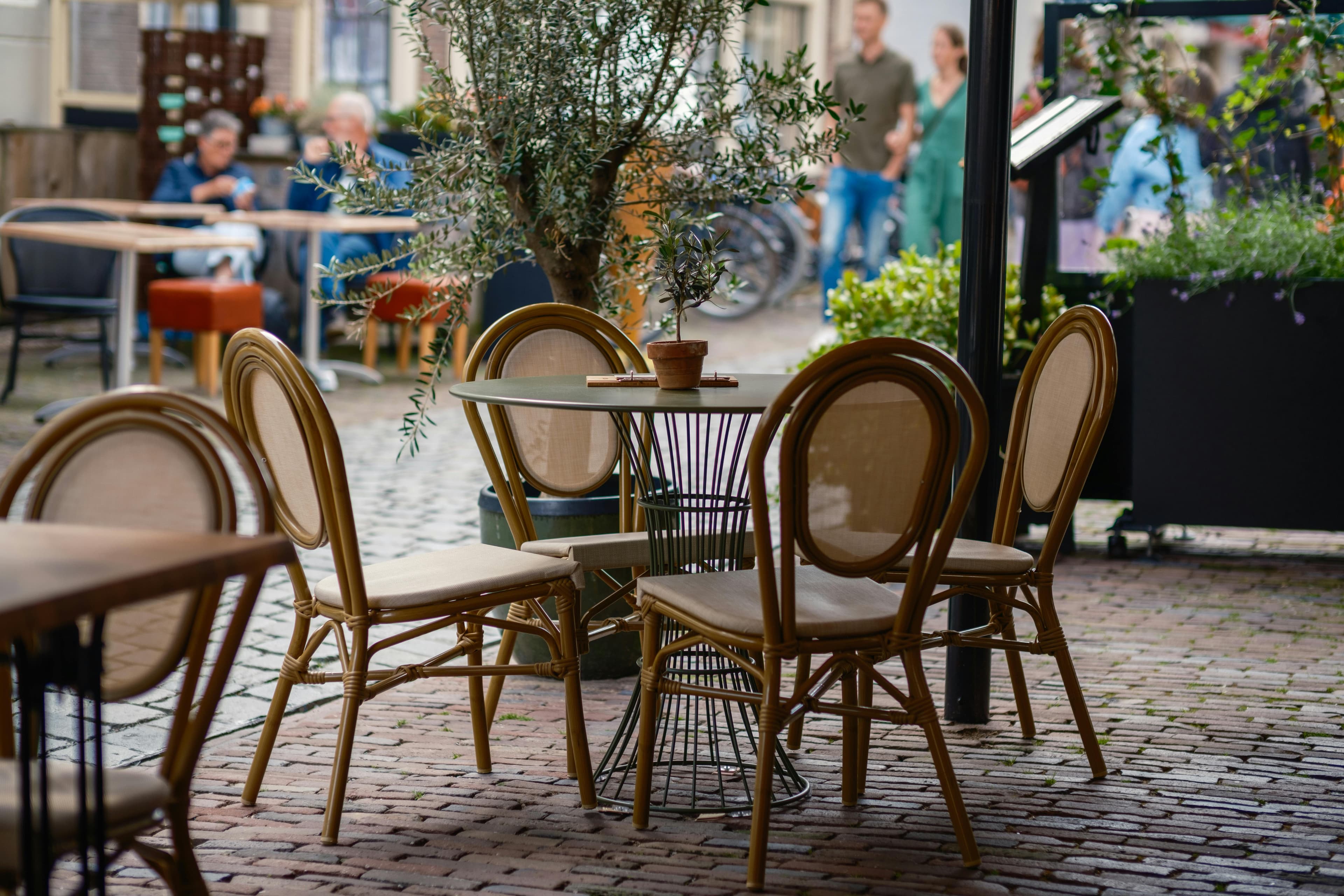
A pavement licence allows your business to place removable furniture - tables, chairs, counters, parasols, heaters, and barriers - on the public pavement directly outside your premises. It is sometimes called a "tables and chairs licence" or "street cafe licence" depending on your council.
The scheme was originally introduced under the Business and Planning Act 2020 as a temporary COVID measure. The Levelling Up and Regeneration Act 2023 made it permanent from 31 March 2024, so it is now an established part of the licensing landscape.
Important: A pavement licence is separate from your premises licence. If you want to serve alcohol in your outdoor area, you will also need your premises licence to cover that space.
Who Can Apply?
You can apply if your business uses (or proposes to use) premises for the sale of food or drink for consumption. This includes:
- Restaurants and cafes
- Pubs and bars
- Coffee shops
- Ice cream parlours
- Takeaways with seating
Businesses that do not sell food or drink - such as hairdressers or retail shops - cannot apply under this regime.
You also get automatic deemed planning permission for anything done under the licence, so you do not need a separate planning application.
How Much Does It Cost?
Fees are capped nationally:
- Maximum fee for the first application: £500
- Maximum fee for renewal: £350
Your council may charge less than the cap. For example, some councils charge as little as £100-£200.
You will also need public liability insurance of at least £5 million - this is a mandatory requirement and your application will be rejected without it.
The Application Process
The process takes 28 days in total:
Step 1: Submit your application to your local council
You will need to include:
- A plan showing where the furniture will go
- Details of the type of furniture
- Proof of £5m public liability insurance
- The days and hours you want to operate
Step 2: Display a site notice
You are legally required to print and display a notice in a prominent position on your premises frontage on the day you apply. It must stay up for the full 14-day consultation period.
Step 3: 14-day public consultation
Anyone can object during this window, including neighbours, residents, and other businesses.
Step 4: 14-day determination period
The council decides after the consultation closes. If they make no decision within this window, your licence is deemed granted for two years automatically.
Example 01 - Cafe applies 1 April. Consultation runs 2-15 April. Council decision due by 29 April. No objections, no decision made - licence deemed granted for 2 years.
Example 02 - Restaurant applies 1 April. Neighbour objects on 10 April about noise. Council considers the objection and grants the licence with a condition limiting hours to 9am-9pm.
Licences can be granted for up to two years. The government guidance encourages councils to grant the maximum duration unless there are good reasons not to.
Conditions You Must Follow
Every pavement licence has two national conditions that always apply, plus any local conditions your council adds.
No-obstruction condition
You must keep the pavement clear enough for pedestrians to pass safely. The recommended minimum clearance is 2,000mm (about 2 metres), or 1,500mm absolute minimum between your furniture and any obstacle.
Think about wheelchair users, prams, and visually impaired pedestrians. Your furniture should have good colour contrast with the pavement so it is visible to people with sight loss.
Smoke-free seating condition
You must provide reasonable provision for non-smoking seating. The government suggests a minimum 2-metre gap between smoking and non-smoking areas.
Common local conditions councils may add:
- Restricted hours of operation (e.g. 8am-9pm)
- Maximum number of tables and chairs
- No amplified music in the outdoor area
- Furniture must be brought inside or secured at close of business each day
- Specific types of barriers or planters required
No time to understand the rules?
No problem, that's why Barnab exists! Just answer a bunch of questions about your business and Barnab will create your application pack ready for submission to your council!
Book a callCommon Mistakes to Avoid
- Not checking if you need a premises licence variation too. If you serve alcohol outdoors, your premises licence plan must include the outside area. A pavement licence alone does not authorise alcohol sales. [Internal link to: What Happens After You Submit a Premises Licence Application]
- Forgetting the site notice. If you do not display the notice on day one, your entire application can be invalidated. Print it before you apply.
- Leaving furniture out overnight. Most councils require furniture to be removed or secured each evening. Leaving it unattended is a common reason for enforcement action.
- Blocking accessibility. If your furniture narrows the pavement below the minimum clearance, the council can revoke your licence and remove the furniture at your cost.
- Not having insurance ready. Your application will be rejected outright without proof of £5m public liability insurance. Arrange this before you apply, not after.
Need help with your application?
Barnab can help! Speak to one of our team of experts who will help you prepare a hearing pack to support you during a hearing.
Get ReadyUseful Resources
Legislation and Government Guidance:
- Business and Planning Act 2020 (legislation.gov.uk)
- Levelling-up and Regeneration Act 2023, Schedule 22 (legislation.gov.uk)
- Pavement Licences: Guidance, GOV.UK
- Pavement or Street Display Licence, GOV.UK
- Find your local council, GOV.UK
Example of Council CIZ Policies:
- City of London: Pavement Licence
- Camden Council: Pavement Licensing
- Hackney Council: Pavement Licence
- Manchester City Council: Pavement Licence Guidelines
- Leeds City Council: Apply for a Pavement Licence
- Newcastle City Council: Pavement Licences
- Bristol City Council: Outdoor Hospitality Licences
Barnab:
- Premises Licence Explained: Alcohol, Food & Music
- What Happens After You Submit a Premises Licence Application?
- What to Expect at a Licensing Hearing
- What Is a Temporary Event Notice?
- Book a Free Consultation
This article provides general information about pavement licensing process. It is not legal advice. Licensing policy varies significantly between local authorities and is subject to change. Always verify the current Statement of Licensing Policy with your local council before submitting an application. Last updated: April 2026.